
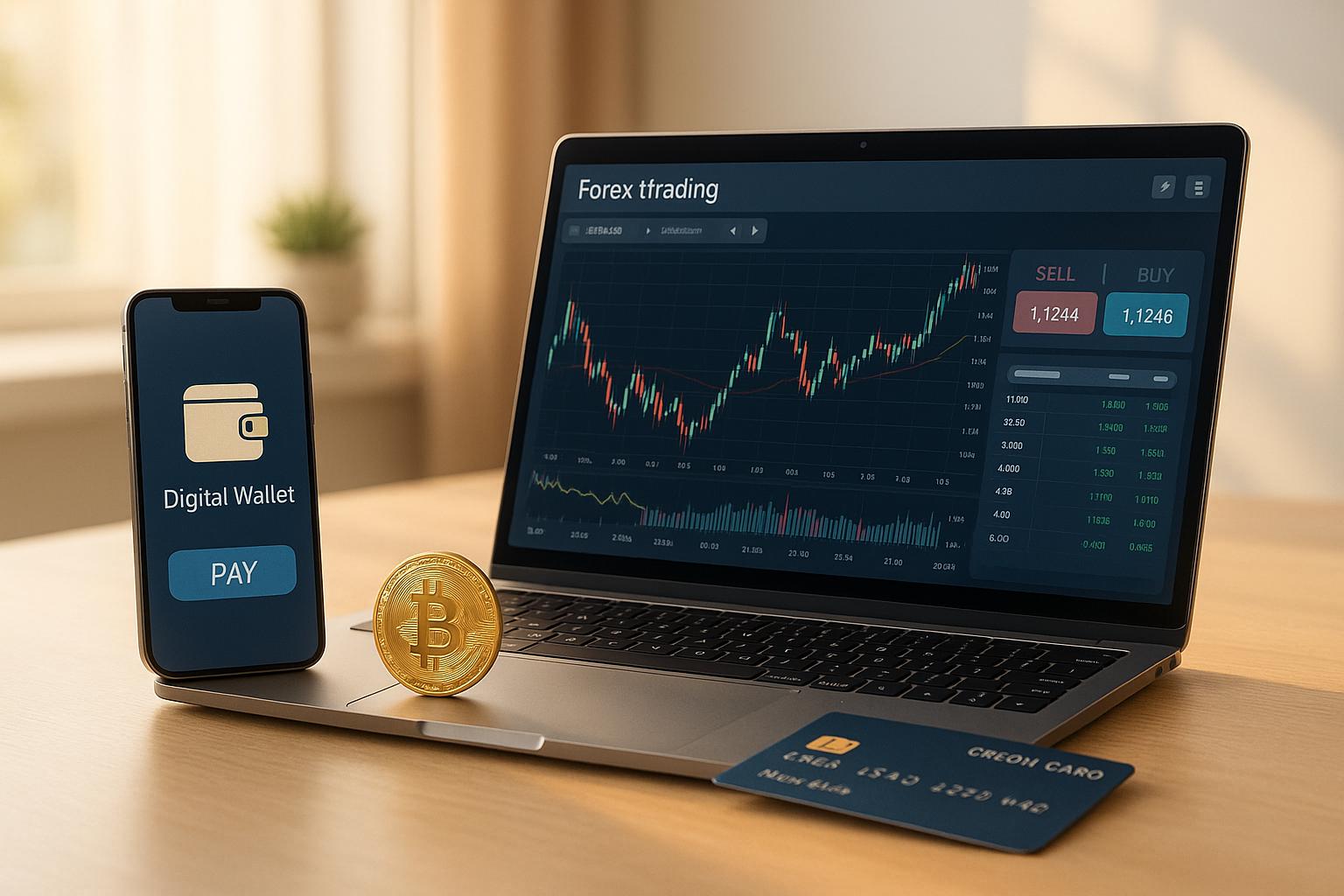
Fast payments are essential in South Africa’s forex market. Delays in funding or withdrawing can mean missed trading opportunities. Instant payment methods now allow South African traders to move money within minutes, not days, transforming how funds are managed.
Key points:
- Instant EFTs: Quick transfers via platforms like and AML Compliance
The FSCA enforces strict regulations to protect traders and maintain broker accountability. These include measures like fund segregation, Know Your Customer (KYC) protocols, and AML compliance. Fund segregation ensures that your money is kept separate from the broker’s operational funds, safeguarding it even if the broker faces financial trouble.
Before your first withdrawal, you’ll need to verify your identity by submitting documents such as your ID, proof of address, and sometimes proof of income. While this step may feel tedious, it’s a critical safeguard against fraud.
The FSCA takes enforcement seriously. For example, Greyshore Investments (Pty) Ltd was fined R2,1 million in 2024 and barred for 20 years for running an unauthorised forex scheme. Similarly, IFX Brokers Holdings (Pty) Ltd received a R50 000 fine in 2023 for operating without proper authorisation. Always ensure your broker has a valid FSCA licence by checking their licence number on the FSCA website.
Local Currency Settlements and Fees
To make trading more accessible for South African traders, many FSCA-regulated brokers offer accounts denominated in ZAR. This eliminates the need for currency conversion, saving you money on fees.
Transaction fees vary widely. Some brokers, like Tickmill, provide free deposits and withdrawals. Others, such as FXCM, charge a $40 fee for bank wire withdrawals. E-wallets often strike a good balance between speed and cost.
For ZAR transactions, processing times depend on your payment method and the broker’s internal procedures. Instant EFTs are typically completed within minutes during banking hours, while e-wallet transactions can be processed almost immediately, even outside regular hours. Be mindful of inactivity fees, as some brokers charge these if your account remains dormant for too long.
To ensure smooth and secure fund transfers, choose an FSCA-regulated broker that supports your preferred payment methods and provides transparent fee structures. This way, you can focus on trading without worrying about unnecessary delays or hidden charges.
sbb-itb-127c594
Costs, Security, and Efficiency of Payment Methods
In the fast-moving world of forex trading, staying on top of your payment methods is critical. Balancing cost, security, and efficiency ensures you’re ready to act when the market shifts. Understanding these factors can help you manage your trading funds more effectively.
Security Features: Encryption and Authentication
Security is a top priority for any payment system, especially in forex trading. Modern payment methods come equipped with multiple layers of protection, such as two-factor authentication (2FA), tokenisation, and compliance with PCI DSS standards. These features work together to keep your funds and personal information safe. Additionally, real-time monitoring systems can detect and flag suspicious activity before transactions are completed.
Despite these measures, concerns about digital payment security persist. In fact, 44% of South Africans remain wary about the safety of digital payments. This makes it essential to choose payment providers with a strong reputation and clear security protocols.
Interestingly, the value of digital payments in South Africa is projected to grow significantly – from R324.09 billion in 2023 to R526.32 billion by 2027, with an annual growth rate of 12.88%. This growth underscores the increasing reliance on digital payment systems, making security even more important.
Cost Comparison of Different Payment Methods
The fees associated with payment methods can vary widely depending on the provider and transaction size. Traditional banks like FNB often have structured fee models, while newer services like Wise typically offer more competitive pricing.
Payment Method Transaction Amount Fee Structure Example Cost FNB International (Online) Up to R1 000 Fixed fee R100 FNB International (Online) R10 000+ Percentage-based 0.55% (min. R275, max. R550) FNB International (Phone) Up to R1 000 Fixed fee R200 Wise Transfer ~R9 117 ($500) Low percentage + fixed ~R184 ($9.89) Capitec International Variable Intermediary bank fees Cannot be predetermined Take FNB, for example. Sending R10 000 internationally through a banker could cost R300, while the same transaction online might only cost R200. On the other hand, Wise offers a more affordable alternative. For a $500 transfer (around R9 117), you’d pay roughly R184, and they also provide mid-market exchange rates. Capitec, however, deducts fees through intermediary banks, making it hard to predict the final cost. E-wallets and cryptocurrencies often have lower fees than traditional banks, but the exact amount depends on the platform and market conditions.
Efficiency and Reliability of Payment Methods
Efficiency and reliability are just as crucial as cost and security. EFTs and e-wallets are generally dependable, but EFTs can be delayed outside of banking hours. In contrast, e-wallets operate 24/7, thanks to their dedicated digital infrastructure, which also reduces the chances of transaction failures. Cryptocurrencies are another option, offering fast deposit speeds. However, network congestion can occasionally slow things down – Bitcoin, for instance, might face delays during peak periods, while newer cryptocurrencies often process transactions more quickly.
Mobile systems like PayShap enable instant bank-to-bank transfers, but limited adoption could impact accessibility. Overall reliability depends on factors like technological infrastructure, processing speeds, and error rates. With 84.11% of South Africans holding bank accounts and 27 million eCommerce users recorded in 2022, the country’s digital payment systems are steadily improving.
When issues arise, e-wallet problems are usually resolved within hours, while bank transfers can take days. Your choice of payment method should align with your trading habits. Frequent traders might lean towards low-fee, fast options like e-wallets, while occasional traders may prefer the ease and familiarity of traditional banking.
How to Choose the Best Instant Payment Solution
Building on the earlier comparisons of cost and security, selecting the right instant payment solution is crucial for your trading success. A poorly chosen payment method can result in unexpected charges, security vulnerabilities, and missed opportunities in the market.
Key Factors: Speed, Cost, and Security
Speed is a critical consideration when evaluating payment options. Processing times can vary widely and directly affect your ability to act on market movements. For example, e-wallets like Skrill and Neteller often process deposits within minutes, while traditional bank transfers may take hours or even days. If you’re an active trader, real-time processing for both deposits and withdrawals is essential to keep up with fast-changing markets.
Cost goes beyond just transaction fees. It’s important to look at the full picture, including spreads, commissions, and currency conversion charges. Many brokers don’t clearly disclose all associated fees, which can lead to unpleasant surprises. To minimise costs, consider trading in your account’s base currency. For instance, if your broker offers ZAR-denominated accounts, this can help you avoid currency conversion fees.
Security should never be compromised for convenience or lower fees. Your chosen payment method must prioritise robust security measures. Look for options that incorporate automated KYC (Know Your Customer) and AML (Anti-Money Laundering) processes, ensuring compliance with local FSCA regulations and international standards for safe and efficient transactions.
Common Mistakes to Avoid
South African traders often make predictable errors when selecting an instant payment method. Here are some pitfalls to watch out for:
- Overlooking Hidden Fees: Focusing solely on advertised fees can lead to unexpected costs, such as currency conversion charges, intermediary bank fees, or withdrawal costs. Always request a full breakdown of all potential charges before committing to a payment method.
- Failing to Verify Deposit Methods: Ensure your broker supports your preferred funding and withdrawal methods to avoid delays in accessing your funds.
- Using Unsecured Payment Methods: Trusting providers with poor security can jeopardise your capital. Stick to reputable options like bank transfers, major credit/debit cards, or established e-wallets with a solid track record in South Africa.
- Ignoring Processing Times: Even among "instant" payment methods, processing times can vary due to factors like network congestion or the time of day. Familiarise yourself with the expected processing times and have backup options ready for urgent situations.
- Neglecting Record-Keeping: Always maintain detailed records of your forex deposits, including transaction dates, amounts, payment methods, and confirmation numbers. This is essential for tax compliance and resolving disputes.
- Relying on a Single Payment Method: Depending on just one funding option can limit your flexibility. Many successful traders set up multiple payment methods, allowing them to choose the most suitable option based on the situation.
The best payment method for you will depend on your trading style and frequency. For instance, active day traders may prioritise speed and low fees, while less frequent traders might focus on security and simplicity. It’s a good idea to test different methods with smaller amounts to see which one works best for you. By tailoring your payment choices to your trading habits, you’ll set yourself up for smoother and more secure trading experiences.
Conclusion
This guide has covered the ins and outs of instant payment solutions, highlighting their benefits, costs, and compliance considerations. For South African forex traders, these solutions have become a game-changer, enabling quick access to funds and the ability to act on market opportunities without delay. The financial landscape is evolving rapidly, with cross-border cryptocurrency and stablecoin transactions in Africa projected to grow by 300% between 2023 and 2025.
When choosing a payment method, it’s crucial to align your decision with your trading style and strategy. Options range from instant bank transfers and e-wallets like Skrill and Neteller to mobile systems like PayShap and cryptocurrency payments. South African traders can also gain an edge by working with brokers offering ZAR-based accounts, which provide instant funding and withdrawals processed within 24 hours. This eliminates the hassle of currency conversion fees and delays caused by traditional banking systems.
Security and regulatory compliance should always be top priorities. Collaborating with FSCA-regulated brokers and payment providers that adhere to local AML regulations ensures your funds are protected and your activities remain above board. This focus on compliance allows traders to operate confidently while keeping costs in check.
Digital payment options continue to advance. Stablecoins, for instance, provide 24/7 availability with transaction fees as low as 0.5–1%, while instant bank transfers remain a dependable choice for ZAR settlements. Staying informed about these developments is key to making the best decisions.
To make informed choices, you need reliable, up-to-date information about brokers, fees, and transaction times. RandFX offers detailed FSCA-approved broker reviews, comprehensive comparisons of payment methods, and expert advice tailored specifically for South African traders. Whether you’re evaluating withdrawal speeds, fee structures, or security measures, having access to trusted local insights can help you avoid mistakes and optimise your trading experience.
While payment options continue to evolve, the basics – speed, security, and cost – remain essential. Focus on these fundamentals while ensuring compliance with regulations. By staying informed and selecting payment solutions that suit your trading needs, you’ll be ready to seize opportunities as they come. Let RandFX’s expert guidance help you navigate this dynamic payment landscape with confidence.
FAQs
Why should South African traders choose FSCA-regulated brokers for instant forex payments?
Choosing FSCA-regulated brokers provides South African traders with a safer and more reliable trading environment. These brokers operate under strict guidelines aimed at protecting your funds, reducing the risk of fraud, and promoting transparency in the market.
When you trade with an FSCA-regulated broker, you can feel reassured that your investments are protected under South African financial regulations. Plus, these brokers are held to rigorous security standards, ensuring your deposits and withdrawals are handled smoothly and securely.
How do mobile payment systems like PayShap make forex transactions faster and more convenient for South African traders?
Mobile payment platforms like PayShap make forex transactions faster and more convenient by offering instant fund transfers. This eliminates the usual delays tied to traditional banking, allowing South African traders to deposit funds or withdraw profits almost immediately. The result? Traders can act quickly on market opportunities without missing a beat.
Additionally, these platforms include contactless and tap-to-pay features, simplifying the process even further. With PayShap, South African traders get a secure and efficient way to manage their finances, perfectly suited to the demands of a fast-moving trading environment.
What safety features should I look for in an instant payment method for forex trading?
When deciding on an instant payment method for forex trading, security should always come first. It’s crucial to ensure your funds and personal details are well-protected. Opt for providers that utilise encryption protocols to secure sensitive data and offer multi-factor authentication (MFA) to block unauthorised access.
Stick to platforms regulated by respected authorities such as the FSCA (Financial Sector Conduct Authority) in South Africa. Regulation ensures they meet stringent security requirements. Also, check if the platform carries out regular security audits and provides secure systems for both deposits and withdrawals. These precautions minimise risks and give you confidence when handling your forex transactions.
Related posts